
Home Water Filter Installation Guide
- thewateralchemists
- Jul 3
- 6 min read
That strong chlorine smell when you turn on the shower is not just unpleasant. For many households, it is the moment they realise their water affects far more than what comes out of the kitchen tap. Home water filter installation is about improving the water used for drinking, cooking, bathing, washing and protecting the appliances that rely on it every day.
For Australian homeowners, especially those looking for a higher standard of water quality, the real question is not whether filtration matters. It is what type of system belongs in your home, what the installation actually involves, and whether a quick fix at one tap is enough. In many cases, it is not.
What home water filter installation really means
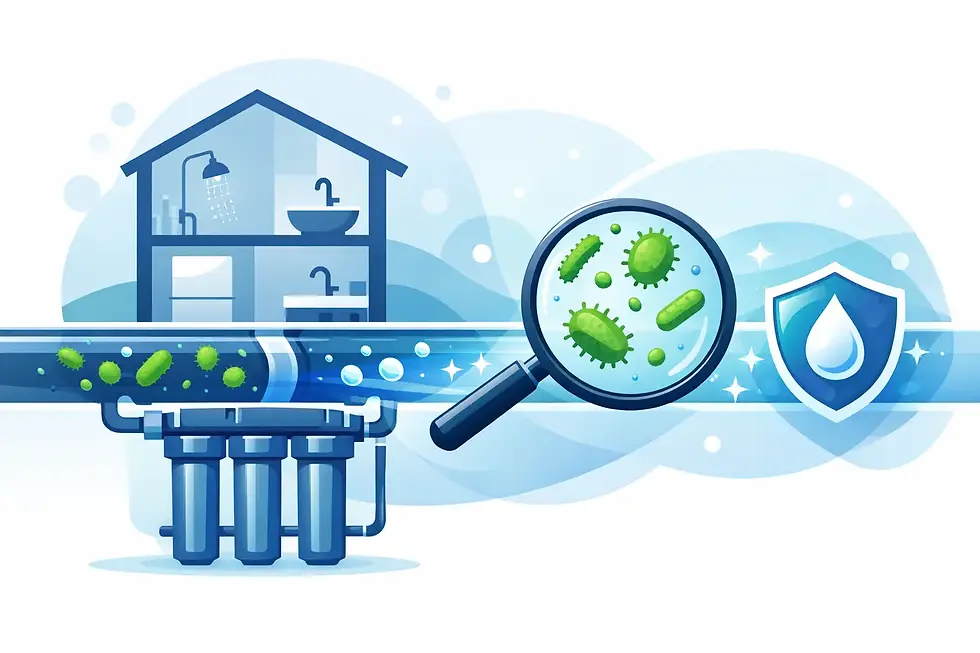
When people hear home water filter installation, they often picture a small unit under the sink. That can be useful, but it only treats one outlet. A whole-home, or point-of-entry, system works differently. It filters water as it enters the property, so every tap, shower and connected appliance receives treated water.
That distinction matters. If your concern is taste in a glass of water, a bench-top or undersink unit may be enough. If your concerns include chlorine exposure in showers, sediment through the house, protecting hot water systems, or reducing a broader range of contaminants, a whole-home setup is usually the better fit.
This is where many homeowners get caught between cheap and comprehensive. A smaller system costs less upfront, but it can leave most of the home untreated. A premium whole-house installation costs more, yet it changes the water experience across the entire property.
Why more households are choosing whole-home filtration
Town water in Australia is treated to meet safety standards, but that does not mean every household is happy with its quality. Many homeowners notice taste and odour issues straight away, especially chlorine. Others are increasingly aware of concerns around chloramines, PFAS, microplastics, heavy metals, herbicides and pesticides.
There is also a comfort factor that rarely gets enough attention. Filtered water can make showering more pleasant, reduce chemical odours in bathrooms and laundries, and support healthier-feeling skin and hair. Families with young children, people with sensitivities, and homeowners investing in long-term wellness often see filtration as part of the same conversation as air quality, quality food and a healthier home environment.
Then there is the practical side. Sediment and untreated water can contribute to wear in fixtures and appliances over time. A well-matched filtration system can support the lifespan of taps, shower heads, dishwashers and hot water equipment.
The main system types to consider
Not every property needs the same setup, and that is why proper advice matters before installation starts.
Whole-home filtration systems
These systems sit at the water entry point and treat the water supplied to the house. Premium models often use multi-stage filtration, combining sediment removal with catalytic carbon or other specialised media to reduce chlorine, chloramines and a wider range of contaminants.
For many established homes, this is the most complete option. It gives consistent coverage across drinking water, showers, bathrooms, laundry and appliances.
Undersink reverse osmosis systems
Reverse osmosis units are usually installed at the kitchen sink for very high-level drinking water filtration. They are ideal when the main goal is exceptionally purified water for drinking and cooking. The trade-off is that they do not treat the rest of the home unless paired with a whole-house system.
Rainwater filtration with UV sterilisation
Homes relying on tank water have different needs. In those cases, filtration may need to address sediment, organic matter and microbiological risks. UV sterilisation is often part of the solution where bacteria and viruses are a concern.
What happens during home water filter installation
A quality installation starts well before any tools come out. The first step should be understanding the property, the water source and the household's priorities. A family wanting better shower water and reduced chlorine needs a different solution from a homeowner who only wants purified drinking water at the sink.
The installer will typically assess plumbing access, flow rate requirements, pipe size, space for the filtration unit and how the system will affect water pressure. This is critical. An undersized system can struggle during peak use, while an oversized or poorly placed one can be unnecessary and expensive.
Once the right system is selected, installation usually involves isolating the water supply, mounting or positioning the filtration housing, connecting it into the main line and testing the system under pressure. In a well-executed install, the result should look neat, accessible for servicing and appropriate for the conditions around it.
That last point is often overlooked. Outdoor systems in NSW conditions need to be installed with durability in mind, including protection from direct exposure where possible and enough clearance for future cartridge changes or servicing.
Why professional installation is usually the smarter option
There are DIY water filters on the market, but whole-home filtration is not a casual weekend job. Main line plumbing, pressure considerations, bypass valves, flow rates and system sizing all affect performance. If one of those pieces is wrong, the system may underperform or create problems that are expensive to fix later.
Professional installation also helps avoid the most common mismatch - buying a filter based on marketing claims rather than local household needs. Water conditions, home size and daily water use all matter. A couple in a smaller home has different demands from a busy family household with multiple bathrooms.
For premium homeowners, there is another reason to avoid piecing things together yourself. Filtration is not just a product purchase. It is an ongoing system that needs to work reliably over time. Proper installation, maintenance scheduling and support are part of the value.
Costs, trade-offs and what affects the price
The cost of home water filter installation can vary widely. A simple undersink unit is far less expensive than a premium whole-home multi-stage system. That is expected. The better question is what the price includes.
A lower quote may cover only basic hardware and install. A premium solution may include consultation, system sizing, higher-grade filtration media, professional installation and ongoing support. On paper, those are very different offers.
Price is typically shaped by the type of filtration, the size of the home, plumbing complexity, the contaminant targets, the quality of the components and whether future servicing has been considered from the start. If PFAS reduction, chlorine and chloramine treatment, sediment control and higher-flow household performance are all priorities, the system will naturally be more advanced than a simple carbon cartridge at one tap.
That does not mean the most expensive option is always the right one. It means the right option should match the way your household lives.
Home water filter installation in NSW homes
For homeowners across areas such as Wollongong, Kiama, the Southern Highlands and surrounding regions, installation decisions can also be influenced by local supply conditions, older plumbing and lifestyle factors. Coastal homes, family homes with heavy daily use, and properties balancing town or rainwater supply can all require a more tailored approach.
This is where a consultation-led service becomes valuable. Rather than guessing, homeowners can get clear advice on what the water is like now, what the system is designed to reduce, and how the installation will function in real household conditions.
Don’t forget maintenance
Even the best filtration system needs maintenance to keep delivering cleaner, healthier water. Cartridges and filtration media have service intervals, and those intervals depend on water quality and household use. Leave them too long and performance drops.
This is another difference between a bargain filter and a premium water treatment setup. Good systems are designed not only to filter effectively but to be serviced properly over time. Ongoing support matters because the installation is only the beginning.
If you are investing in your family’s water quality, it makes sense to think beyond day one. Ask how often filters need replacing, what signs suggest servicing is due, and whether support is available when it is time to maintain the system.
Choosing the right installer
The safest choice is a specialist who understands residential water treatment, not just general plumbing. Filtration is its own category. You want someone who can explain the contaminants being targeted, recommend the correct system size, install it professionally and continue supporting it after the job is complete.
Clear advice is a good sign. So is a willingness to talk through trade-offs. If a company pushes the same system for every home, be cautious. Good filtration is not one-size-fits-all.
The Water Alchemists focuses on that more complete approach - consultation, premium system selection, professional installation and ongoing care. For homeowners who want confidence rather than guesswork, that level of service makes a real difference.
Cleaner water should feel like a permanent upgrade to the way your home lives every day, not another gadget squeezed under the sink and forgotten six months later.


Comments