
How to Improve Tap Water Taste in Your Home
That sharp, pool-like smell when you fill a glass, or the metallic note that lingers after a sip, can make even a well-kept home’s water feel unappealing. If you are wondering how to improve tap water taste, the best answer starts with identifying what is causing the flavour rather than simply masking it with cordial, ice or bottled water.
For many NSW households, taste concerns come down to disinfectants used in town water, minerals, ageing pipework or water sitting in internal plumbing. The right solution depends on your water source, your home and whether you want better drinking water at one tap or cleaner, healthier water throughout the house.
Why does tap water taste different?
Tap water is treated to meet drinking water standards, but safe water and enjoyable water are not always the same thing. Water authorities use disinfectants such as chlorine and, in some areas, chloramines to help control microbial growth as water travels through the network. These treatments can leave behind a noticeable taste or odour, particularly when water has been sitting in pipes.
A chlorine taste is often described as medicinal, chemical or similar to a swimming pool. Chloramine can be more persistent and may be harder to remove with basic filtration. Neither flavour necessarily means there is an immediate problem with your supply, but it can make drinking water less appealing and affect tea, coffee and cooking.
Minerals can also change how water tastes. Calcium and magnesium may create a harder, more mineral-forward flavour, while iron or copper can produce a metallic taste. If the flavour is strongest first thing in the morning or only occurs at one tap, the issue may be related to your home’s plumbing rather than the incoming supply.
How to improve tap water taste: start with simple checks
Before buying a filter, notice when and where the taste occurs. Run the cold tap for 30 to 60 seconds, especially if it has not been used overnight, then taste it again. This flushes water that has been sitting in household pipes and can make a surprising difference.
Use cold water for drinking and cooking. Hot water can pick up more flavour from a hot-water system and plumbing, while cold water is generally the better starting point for a fresh glass of water. Keep a covered jug of cold water in the fridge if chilled water helps, but remember that refrigeration changes the perception of taste rather than removing the compounds causing it.
It is also worth cleaning tap aerators, kettle filters and the fridge water dispenser if you have one. Sediment and biofilm can build up in these small components and create an off taste that is mistaken for a supply issue.
If the water suddenly tastes very different, looks discoloured, smells strongly unusual or has an oily appearance, do not assume it is a normal chlorine variation. Contact your water supplier or a qualified plumber to rule out a local supply or plumbing concern.
Choose filtration for the taste issue you actually have
Filtration is usually the most reliable way to improve the taste and smell of tap water, but not all filters work in the same way. A system should be selected for the water quality concerns in your home, not just because it is convenient or inexpensive.
Activated carbon for chlorine and odours
High-quality activated carbon filtration is a common choice for reducing chlorine, unpleasant odours and many organic compounds that affect taste. Carbon works by adsorbing contaminants onto its highly porous surface. For households bothered mainly by a swimming-pool taste or smell, this can produce a clear improvement in the glass.
The quality of the carbon media, contact time and cartridge replacement schedule all matter. A small filter with limited media may improve taste initially but lose effectiveness quickly, particularly in a busy family home. A filter only performs as intended when it is maintained on time.
Catalytic carbon for chloramines
Where chloramines are used, standard carbon filters may not be sufficient. Catalytic carbon is often better suited to reducing chloramine compounds because it is designed to support the chemical reaction needed to break them down more effectively.
This is one reason a water consultation is valuable. Understanding the disinfectant used in your area helps ensure the filtration approach matches the issue you are trying to solve.
Reverse osmosis for highly refined drinking water
An undersink reverse osmosis system can be an excellent option when you want a more refined drinking water solution at a dedicated kitchen tap. It uses a membrane and multiple filtration stages to reduce a broad range of dissolved contaminants, which may include heavy metals, fluoride, salts and other compounds depending on the system design.
The trade-off is that reverse osmosis is generally a point-of-use solution. It treats the water you drink and cook with, not the water flowing through your showers, bathrooms, laundry or appliances. It also requires professional installation, periodic servicing and produces a small amount of wastewater during filtration.
When a whole-home system makes more sense
If you dislike the taste of your water, there is a good chance you also notice its smell in the shower, on freshly washed clothes or when filling the bath. A whole-home filtration system is installed at the point where water enters the property, treating water before it reaches every tap and appliance.
For homeowners who want a consistent standard of water across the home, this is often the more complete investment. It can reduce chlorine or chloramine exposure during bathing, improve the smell of shower water and protect fixtures and appliances from sediment, depending on the system selected. You also avoid the frustration of having great water at the kitchen sink but untreated water everywhere else.
A premium multi-stage whole-home system may combine sediment filtration with specialist carbon media and other treatment technologies selected for your water source. Homes on rainwater, for example, have different needs from homes supplied by town water. Rainwater treatment may require sediment removal and UV sterilisation, while town water often calls for a stronger focus on disinfectants and taste-affecting compounds.
The Water Alchemists takes this consultation-led approach because water treatment should fit the property, household and supply conditions. A properly sized system is especially important for larger homes, multiple bathrooms and families with higher daily water use.
Avoid fixes that only hide the problem
Adding lemon, cordial or flavoured drops may make water easier to drink, but it does not remove the source of the taste. Bottled water can seem like a simple alternative, yet it creates ongoing cost, storage and plastic waste, while doing nothing for the water used in cooking, bathing and washing.
Boiling water is also commonly misunderstood. It can reduce some chlorine because chlorine is volatile, but it is not a reliable treatment method for all taste issues or contaminants. In some circumstances, boiling can concentrate dissolved minerals as water evaporates. It is not a substitute for filtration designed around your water quality.
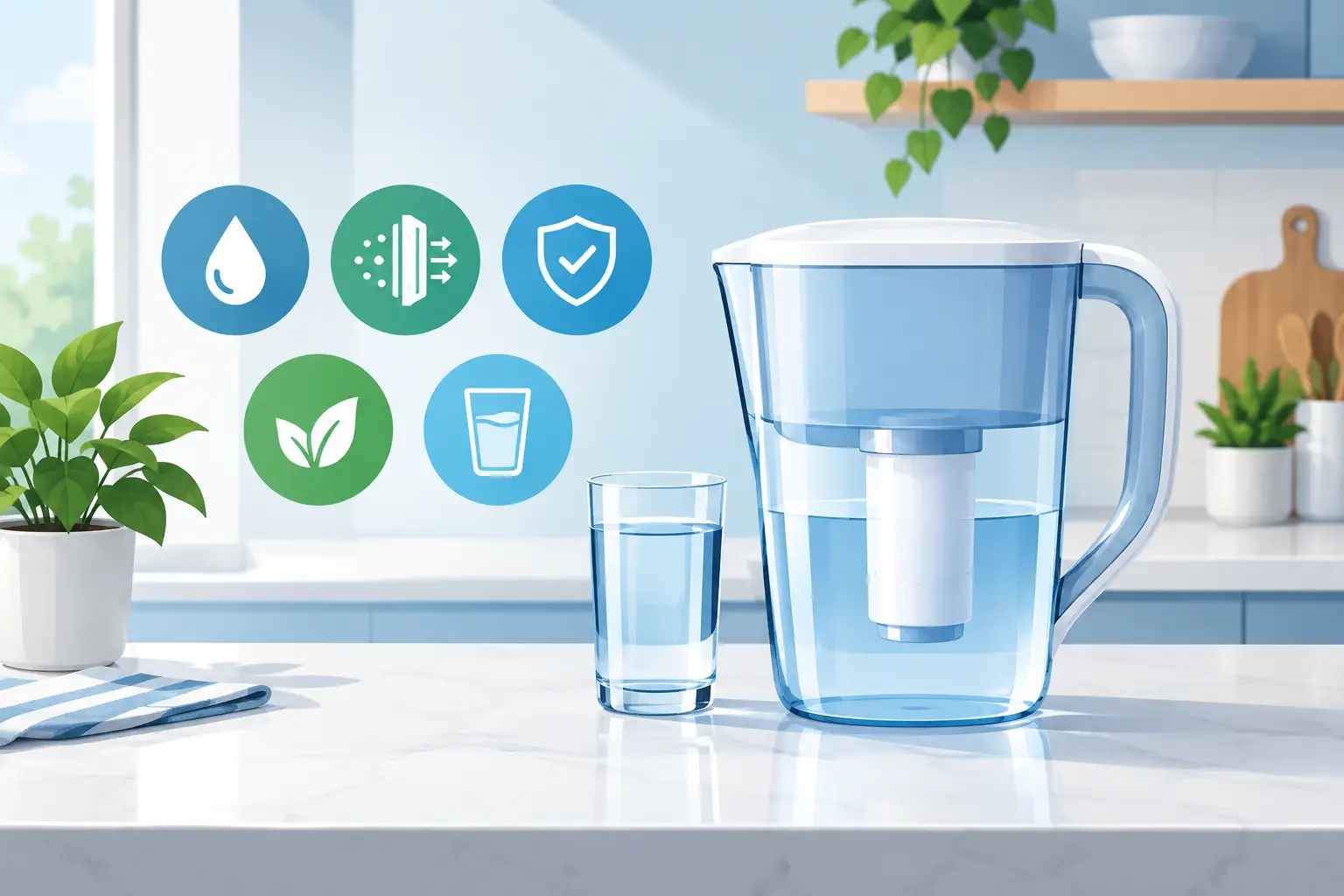
Basic jug filters can be useful for renters or households wanting a short-term improvement at one tap. Their limitations are capacity, slow flow and the need for frequent cartridge changes. If the jug is not maintained carefully, it may not deliver the result you expect.
Keep filtered water tasting fresh
Even the best filtration system needs care. Replace cartridges according to the manufacturer’s recommended schedule, or sooner if your water usage and incoming water quality demand it. A neglected filter can lose performance and may allow taste and odour to return gradually, making the change easy to miss.
Use clean bottles and jugs, keep stored water covered in the fridge, and service whole-home systems with a qualified provider. Ongoing support matters because your household’s needs can change, and a system should continue to deliver the water quality you invested in.
Better-tasting water is not a luxury when it encourages your family to drink more, cook with confidence and enjoy every shower and tap in the home. The right filtration solution turns an everyday compromise into water that feels clean, fresh and genuinely cared for.


Comments