
Water Treatment That Works Throughout Your Home
A glass of water is only one part of the picture. If chlorine is noticeable in the shower, your skin feels dry after bathing, or your tap water has an unpleasant taste, water treatment deserves a closer look. A properly designed whole-home system treats water as it enters the property, helping deliver cleaner, healthier water for drinking, cooking, bathing, laundry and the appliances you rely on every day.
For many NSW households, this is not about assuming town water is unsafe. Mains water is treated to meet public health requirements before it reaches your home. It is about choosing a higher standard for the water your family uses in large volumes, across every room of the house.
What Whole-Home Water Treatment Changes
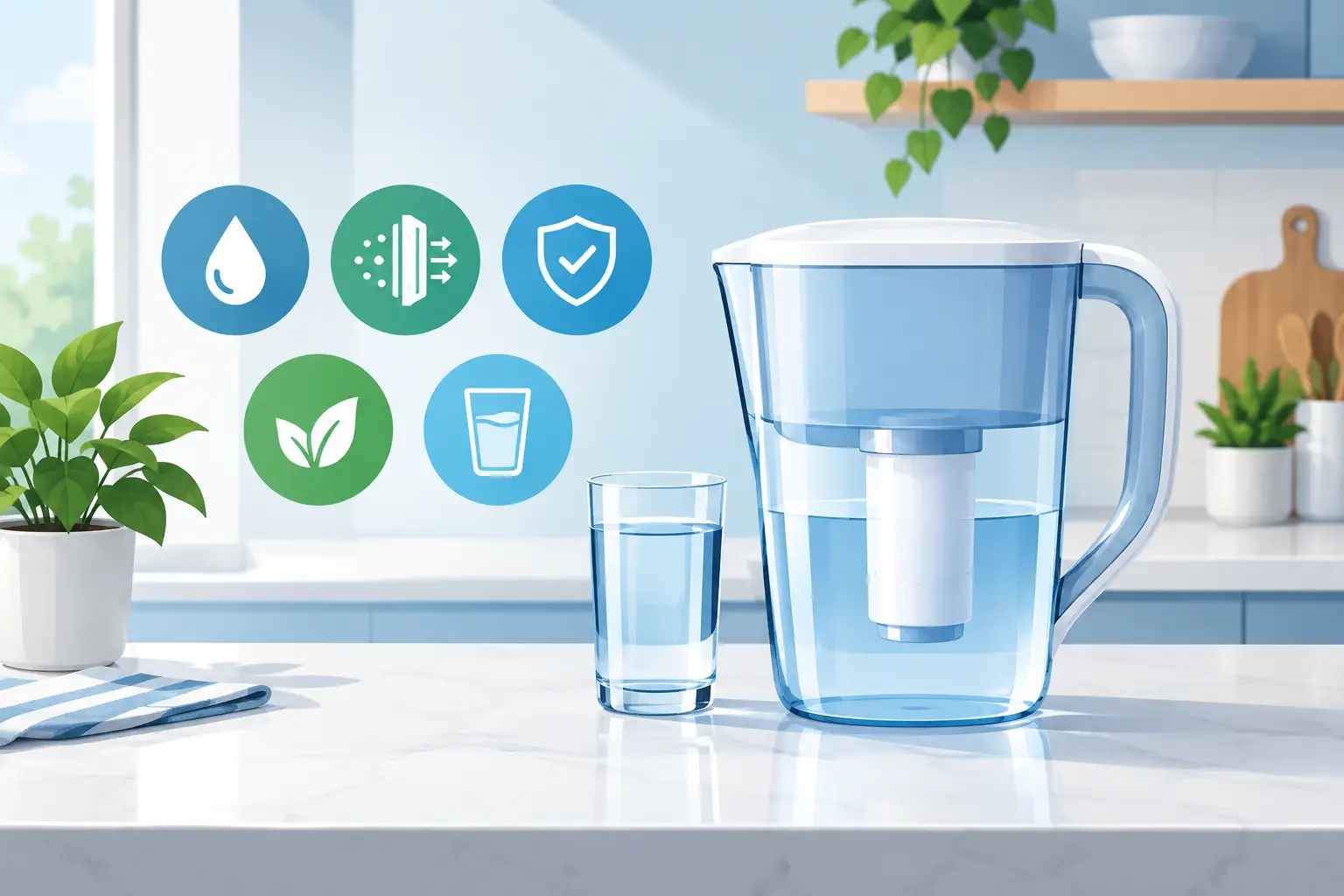
A jug filter or tap-mounted filter can improve water at one outlet, but it cannot change what comes through the shower, fills the washing machine or runs through the dishwasher. Whole-home water treatment is installed at the point where the main water supply enters the house. From there, filtered water can be supplied to every connected tap and appliance.
This matters because bathing is one of the most frequent ways your household comes into contact with water. Reducing the chlorine smell in shower water can make a meaningful difference to the bathing experience, particularly for people who are sensitive to dry-feeling skin, scalp irritation or strong chemical odours. The same applies to washing clothes, filling the kettle and preparing meals.
The right result is not merely water that tastes better. It is water that feels like a considered part of a healthier home.
It starts with the water at your address
Water quality is not identical from one suburb, town or property to the next. Source water, local treatment practices, ageing pipes, plumbing materials and whether a home uses town water, tank water or bore water all affect the best approach.
Chlorine and chloramines are commonly used as disinfectants in reticulated water. Depending on the local supply and the home’s plumbing, homeowners may also wish to address sediment, heavy metals, herbicides, pesticides, PFAS, microplastics or other trace contaminants. A quality consultation should consider your water source, household size, pressure, plumbing configuration and what you most want to improve.
That is why a one-size-fits-all filter is rarely the premium answer. Effective treatment matches the filtration media and system capacity to the water and the way your family lives.
How a Multi-Stage Water Treatment System Works
Whole-home systems commonly use more than one stage because different contaminants require different treatment methods. The exact configuration depends on the water supply, but each stage has a clear role.
A sediment filter is often used first to capture physical particles such as sand, silt, rust and pipe scale. This protects the filtration media that follows and can help maintain flow through the system. Carbon filtration is then commonly used to reduce chlorine, improve taste and odour, and target a range of chemical contaminants. Higher-grade catalytic carbon may be selected where chloramine reduction is needed, as chloramines can be more difficult to treat than free chlorine.
Some homes benefit from additional specialist media designed for particular water-quality concerns. Others may need ultraviolet sterilisation. UV does not remove sediment or chemicals, but it can provide an additional microbiological barrier when correctly sized, installed and maintained. It is particularly relevant for rainwater systems, where bacteria and other microorganisms require careful management.
The key is to avoid treating every technology as interchangeable. Reverse osmosis, for example, is highly effective for producing purified drinking water at a dedicated kitchen outlet, but it is not usually the most practical choice for supplying every shower and appliance in a home. A whole-home system and an undersink reverse osmosis unit can work beautifully together when the goal is broad household filtration plus exceptionally refined drinking and cooking water.
The Benefits Reach Beyond the Kitchen Tap
Filtered water throughout the home is a daily-living upgrade. The difference may be most obvious in the shower first: less chlorine odour, water that feels more pleasant on the skin, and a more enjoyable bathroom experience for the whole family.
In the kitchen, improved taste can encourage everyone to drink more water and reduce reliance on single-use bottled water. Tea, coffee, soups and meals made with water may also taste cleaner when strong disinfectant flavours are reduced.
Your home’s fixtures and appliances benefit from thoughtful treatment too. Sediment can affect filters, valves and hot-water equipment over time, while untreated water can leave deposits depending on its mineral content. Filtration is not a substitute for regular appliance care, and it will not solve every plumbing issue, but it can help protect equipment from the particles and contaminants a suitable system is designed to reduce.
For households in Wollongong, the Illawarra, Kiama, the Southern Highlands and the South Coast, the ideal setup may vary significantly between a town-water property and a rainwater home. The decision should be based on the water coming into your property, not a generic promise on a box.
Choosing the Right System for Your Household
A premium water treatment system should be selected for performance over the long term, not simply for its initial price. An undersized unit may struggle during morning showers, laundry cycles and dishwasher use. An oversized or unnecessarily complex system can add cost without giving you a meaningful benefit.
Start by considering how many people live in the home, how many bathrooms are used at once, your peak water demand and whether you have rainwater tanks. Homes with larger families, multiple bathrooms or high-flow showers need a system that can maintain pressure while providing enough contact time for the filtration media to work effectively.
It also pays to ask direct questions about what the system is designed to reduce, how those claims are supported, and which contaminants require separate solutions. No responsible provider should imply that every filter removes every contaminant. Performance depends on the media used, water conditions, flow rate, installation quality and timely cartridge replacement.
Professional installation matters as much as the equipment. A system needs to be correctly positioned, securely plumbed, protected from weather where required and fitted with service access. This is not a purchase that should leave you guessing about fittings, bypasses or ongoing care.
Maintenance Keeps Your Water Treatment Performing
Filtration media works hard. Over time, cartridges collect sediment and carbon media gradually loses its adsorption capacity. Leaving filters in place beyond their recommended service interval can reduce performance and affect water flow.
The right maintenance schedule depends on your system, household consumption and source-water quality. A high-sediment supply may require more frequent pre-filter changes, while carbon media and UV lamps have their own service life. Keeping a clear service record gives you confidence that the system is continuing to do the job it was chosen to do.
This ongoing support is part of the value of a specialist provider. The Water Alchemists combines consultation, professional installation and maintenance support, so homeowners can make a considered investment without having to become filtration experts themselves.
Cleaner water should not be confined to one glass or one tap. When your household water is assessed properly and treated with the right technology, every shower, meal and load of washing becomes part of a more considered way to live at home.


Comments